
Context of [Western] Formal Clothing: Part 1
Where the details are arbitrary and the history does(n't) matter

This is intended to be a very basic overview of the context of [western men's] formal clothing, from the perspective of a rank amateur (yours truly) whose goal is to explain why the advice given is what it is, and what “correct” means in the context of clothing intended to convey formality.
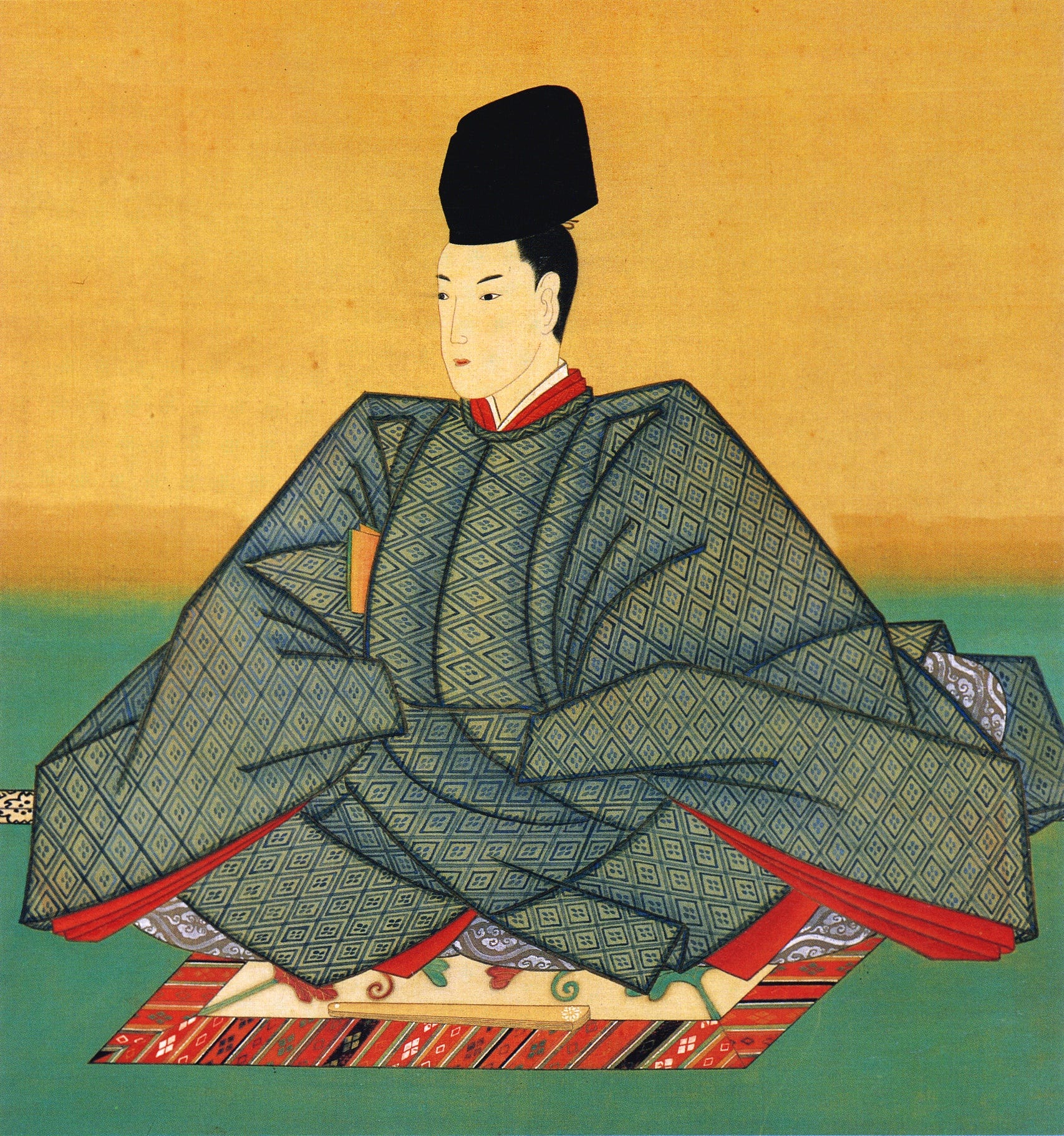
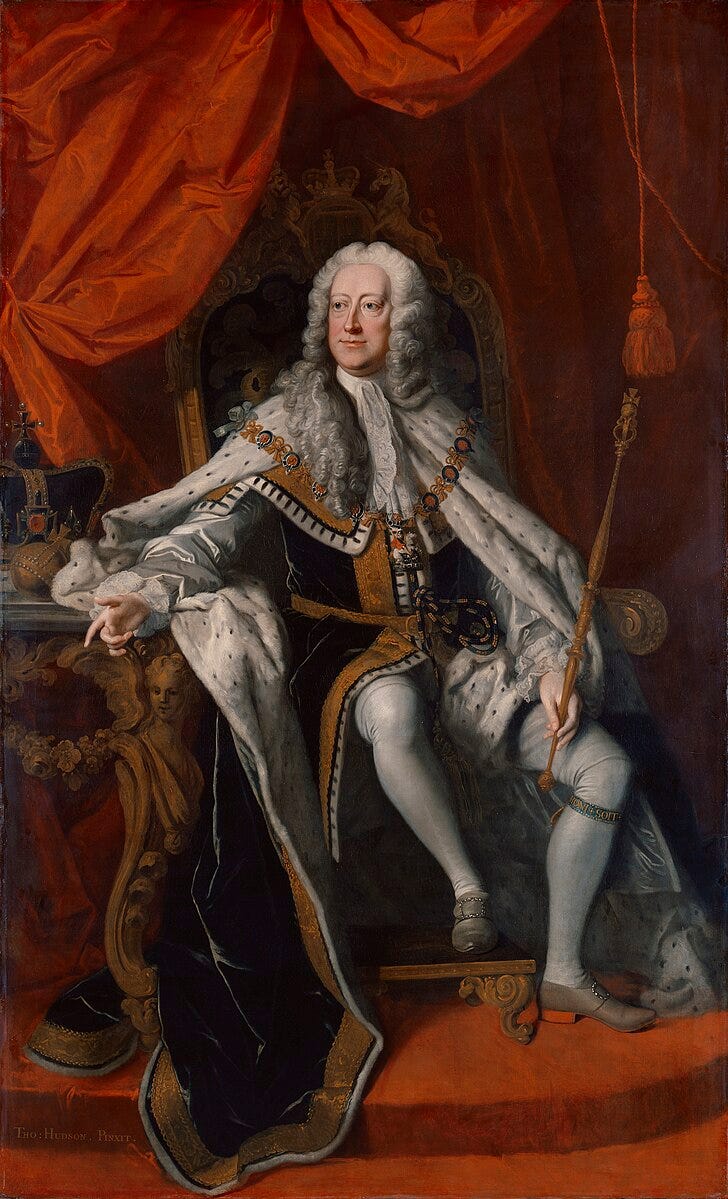
To start, consider these paintings/illustrations from the early-mid 1700s:
https://en.wikipedia.org/wiki/File:Emperor_Sakuramachi.jpg
Emperor Sakuramachi - Japan - Reigned 13 April 1735 – 9 June 1747

https://en.wikipedia.org/wiki/File:George_II_by_Thomas_Hudson.jpg
King George II - Great Britain and Ireland - Reigned 11/22 June 1727 – 25 October 1760

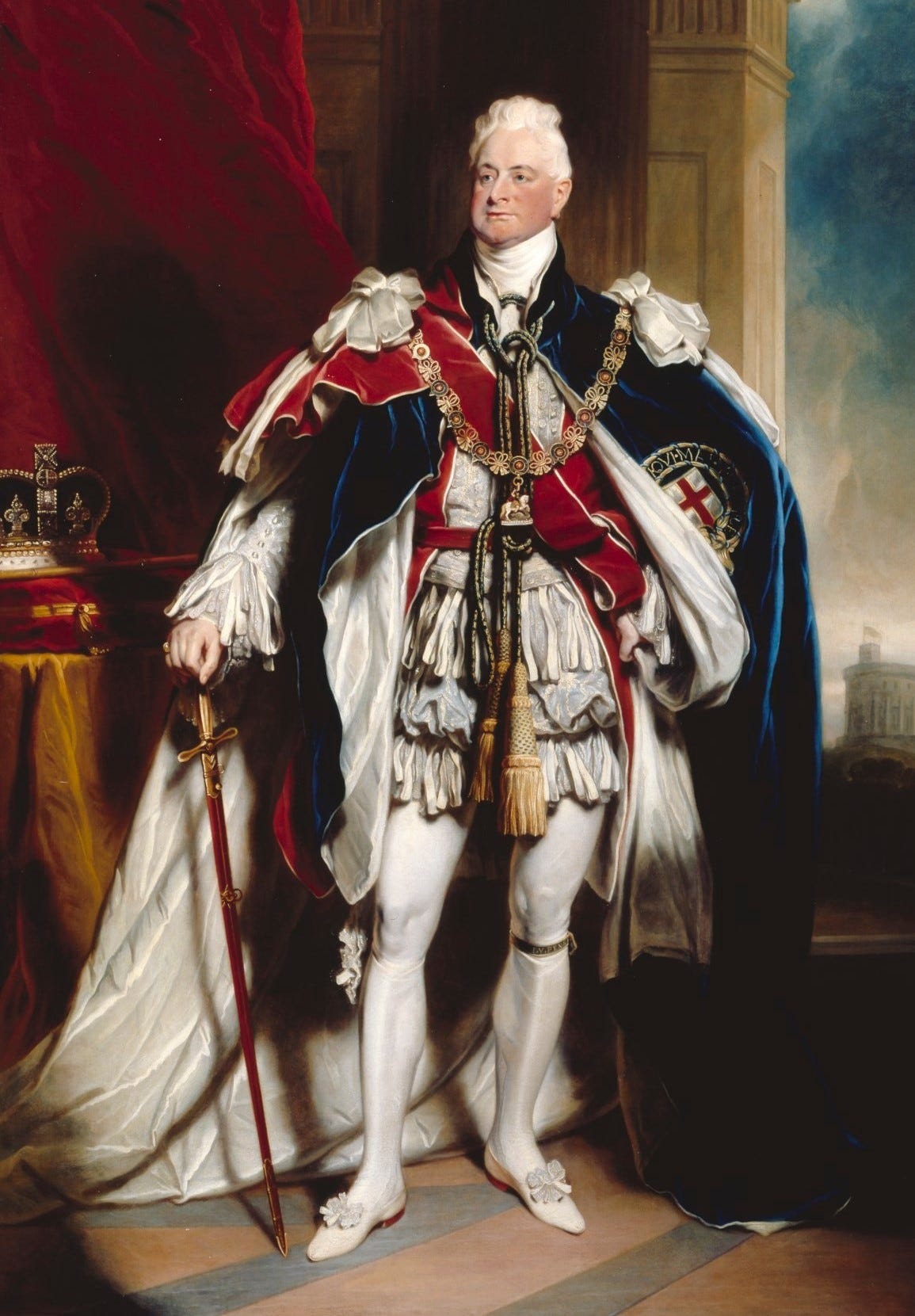
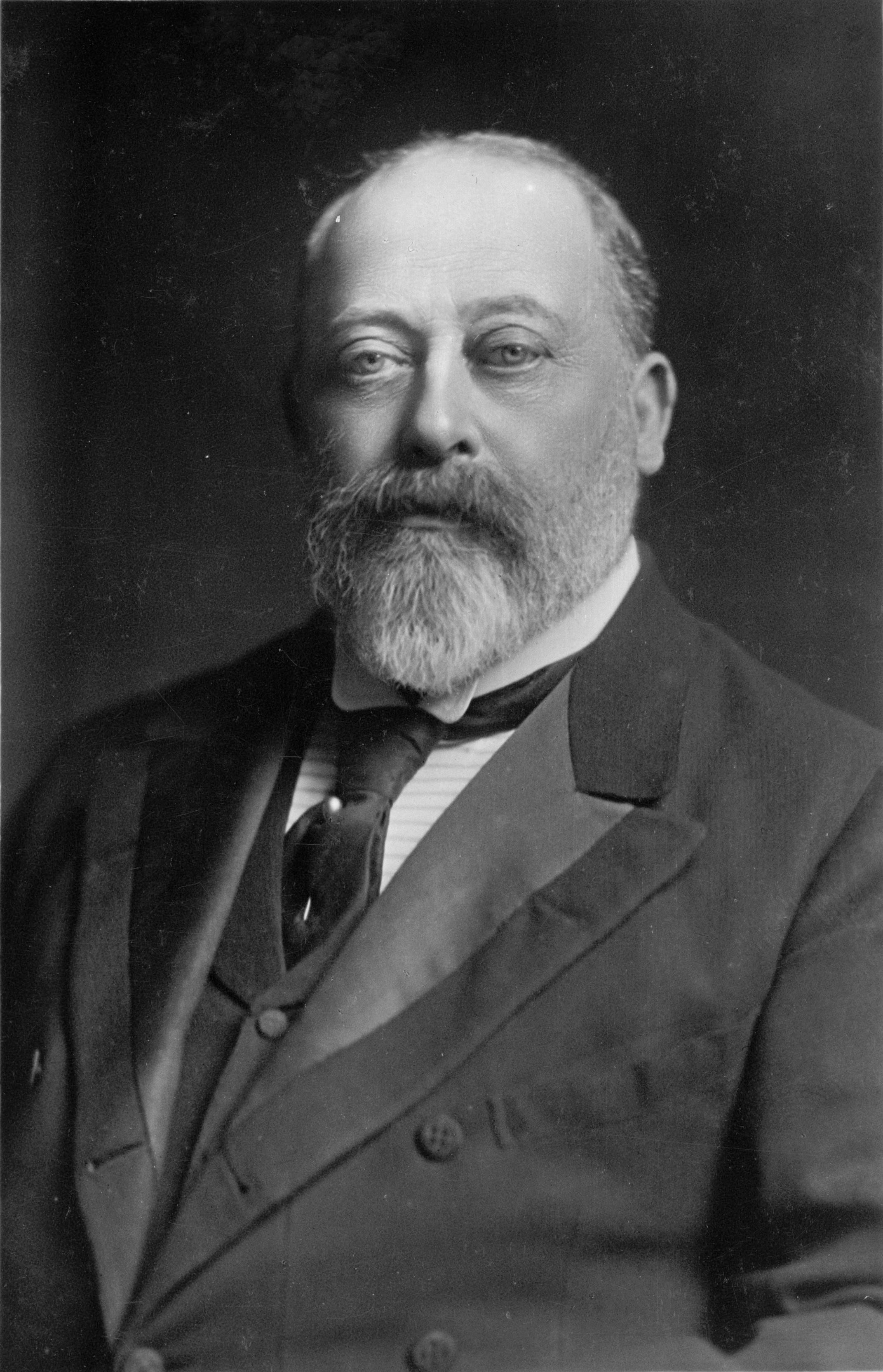
Next, consider these paintings/photos of a UK king and his grandson:
https://en.wikipedia.org/wiki/File:William_IV_in_1833_by_Shee_cropped.jpg
King William IV - United Kingdom - Reigned 26 June 1830 – 20 June 1837

https://en.wikipedia.org/wiki/File:King-Edward-VII_(cropped).jpg
King Edward VII - United Kingdom - Reigned 22 January 1901 – 6 May 1910
.jpg)
What do these paintings and photos tell us? A heck of a lot, but I'm not an art history guy (or an art guy or a history guy), so let me focus on the most immediately obvious and relevant.
Around the same timeframe (~1740AD), the emperor of Japan and the king of England dressed very differently, but obviously both intended to dress quite formally in what you see above — their dress conveyed their position and status.
Within the same country (UK) and with not a terribly large time gap (grandfather and grandson), the two kings dressed very differently, but obviously both intended to dress quite formally — again, their dress conveyed their position and status.
The first and most obvious conclusion is that formality in dress is not a universal truth, there are no secrets handed down from on high in a sacred text nor diligently excavated like a scientist figuring out a chemical reaction. Across the same time period but in different cultures, or within the same (grossly-defined) culture and people but in different times, formal dress is quite different.
The key takeaway I want to communicate is this:
When people discuss 'correct' or 'incorrect' details about formalwear, they're not referring to an immutable fact. Rather, they refer to the current (and recent) social context of formalwear, and how to communicate intent through tailored cloths, specifically as it applies to what men wear in much of the 'western' world. Sometimes advice and judgment is even more specific, being targeted towards English-speaking countres, or towards specific countries, or specific subcultures of those countries.
None of these 'rules' are obvious without an understanding of the context. Some things are done often in movies or worn by models, yet are 'incorrect' in modern context. It can be confusing and contradictory, because it's just a bunch of rules people made up that change over time.
Politeness is to show intent to meet the required level of formality for an event, and especially when dealing with people from different cultures, politeness is also to accept others' intent as it is shown without demanding they change their dress to your specific definitions of showing intent.
(To a lesser or greater extent, part of the intent is also to look good — the definition of which is also of course highly dependent on the individual, society, and other context.)
Summary: Context and intent are key, and context is not obvious without study.